Effective peace work
Originally posted in German on 5th September 2026
The general and popular interpretation of the term brahmacarya is abstinence, celibacy. Furthermore, brahmacarya is also the period of preparation for the sannyasin ordination, which is the Indian monistic vow. In classical yoga, renunciation of sexual inclinations is considered the basic orientation for the development of samādhi, the higher consciousness with its enlightenment in the pure spiritual reality. In rājayoga, the eight-stepped path, brahmacarya is one of the foundational rules.
However, abstinence is not to be understood purely as an act of renunciation, because if it is only classified by this kind of negative interpretation, then anyone who turns away from life and goes into a kind of withdrawal would be a peacemaker and brahmacārin. The word therefore requires a very far-reaching and comprehensive explanation.
In one of the next articles this term will be presented comprehensively and in its great importance for peace work. If people on a spiritual path engage with brahmacarya in a truly in-depth manner they will find hope and discover the great possibilities of how they can face the world and yet are still able to form good relationships.
kāmacarya
For the initial introduction, however, it seems appropriate to present the more extreme forms of the various phenomena that exist in the world. For these reasons, the essence and core of brahmacarya should be approached from the perspective of the tempting realities, the bound games that can be found in the world.
The opposite reality of brahmacarya is best explained with the term kāmacarya. This term stems from an imaginative, distinct combination of words that vividly and impressively describes a phenomenon that everybody enjoys observing in its excellent and attractive fascination. kāma is the word for desire and carya is the term for change, movement, implementation, or circumstance. Taken exactly, the word carya represents the cosmic dance of moving forces. In general, it is the astral body with all its wonderful strivings of the will, that expresses itself in carya, in the moving play of urges.
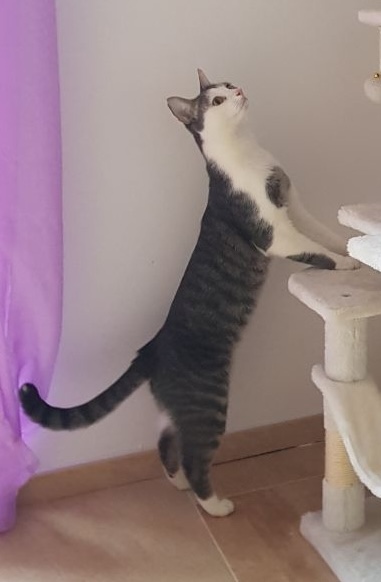
kāmacarya, the unusual, moving game of forces of desire, can be described in a nice little story. Cats are known for their fawning, comfort-seeking, and lurking lunar desire. I like to observe them because they are fascinating creatures, loyal household companions who, in the best sense, know how to get their wishes met through persistence. There are a few cats that have settled into the houses in Lundo and have taken up their nice ‘padronanza’ as house commanders. The guests love the cats and the cats love the guests. This relationship appears to be based on a kind of reciprocity.
A guest arrives and the cat immediately jumps up miaowing pitifully, as if it is dying of hunger. It’s not uncommon for the guests to ask if the cat doesn’t get anything to eat. In order for there to be peace in the house and for the conversation not to be distracted by the exuberant, demanding scratching and crying, I give the little creature a handful of kibble. The guest leaves the room, strokes the back of the cat once more and the next guest comes in. The game repeats itself, “Is the cat hungry?”, asks the guest.
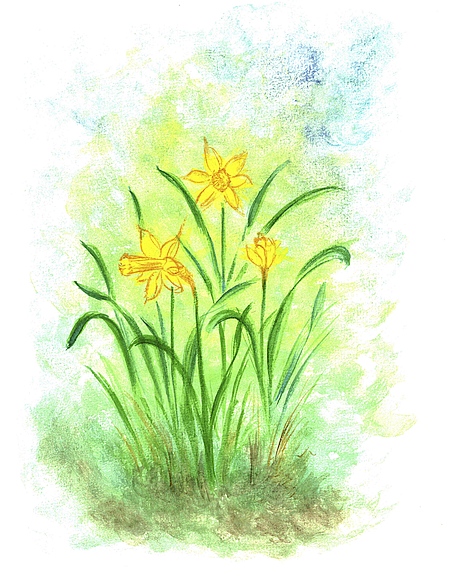
The daffodil
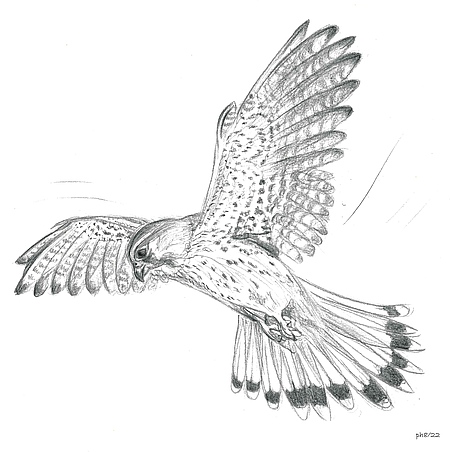
The Falcon
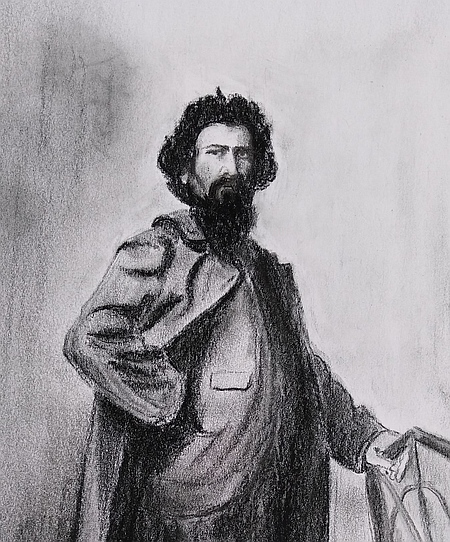
Giovanni Segantini
I am forced to give almost apologetic explanations in order not to be immediately accused of animal cruelty due to the exaggerated reactions from these small house dwellers. But to ensure the necessary calm for the conversation, another handful of kibble is given. It is extraordinary how this little animal likes to accompany me in conversations. By the fourth guest at the latest, and when there has been enough fuss given, the little creature can no longer manage the food and leaves it behind. However, the heartwarming miaows continue and the animation repeats itself even with a fifth guest. It is common for the people to talk afterwards not about the topic that needs to be developed, but rather about how the cat is lovely, but still has to take part in the aesthetically strict path of yoga.
The study of kāmacarya can be carried out very well with some animals and especially cats. However, human beings absolutely cannot stay at the stage of carya, the movement of their feelings. They are called upon directly to exercise reason and, furthermore, to develop thought of content, life purpose and a consciously moral stance towards themselves and to the whole.
brahmacarya is, in the truest sense, the transformation into a developed, high and noble thought. What virtues need to be developed for this, and how these in turn have a peace building effect will be shown in a next article.
kāmacarya.