Originally posted in German on 28th October 2026
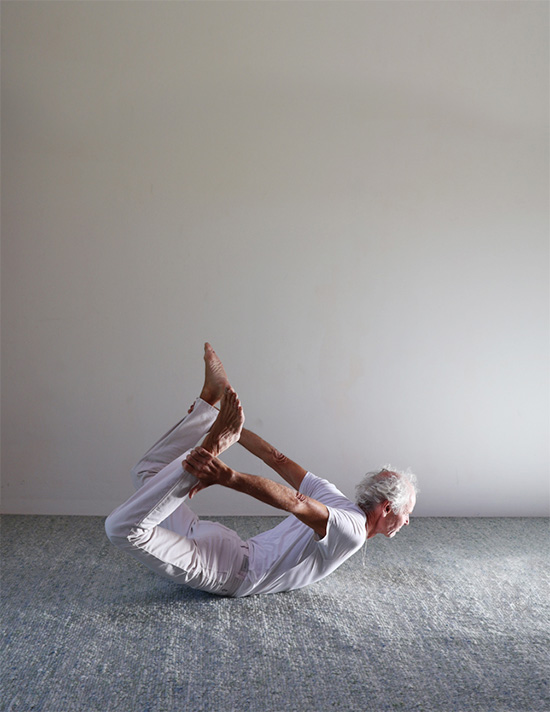
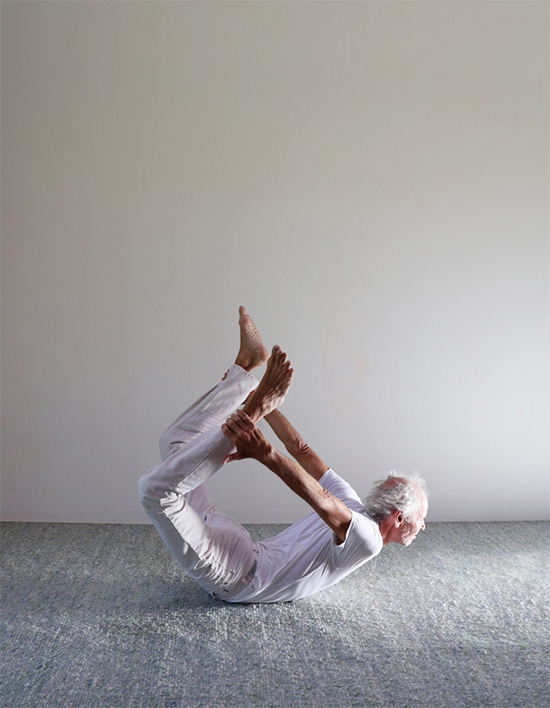
In yoga, Kundalini Shakti is considered a spiritual force that rests within human beings. According to the view presented here, it is not suddenly awakened through certain techniques, but is built up step by step through the conscious development of thoughts, soul-feelings, and will forces. Meditation and spiritual content play an essential role in this. The yoga exercise Dhanurasana (the bow) can illustrate this development process through the interaction of concentrated movement and aimed guidance of the thoughts.
This is the second article in a series on the Kundalini force. The first part is entitled: Kundalini Yoga – why chakras cannot simply be opened.
Article by Heinz Grill
What does it mean to awaken the Kundalini Shakti?
The awakening of the Kundalini Shakti, the divine serpent force that conquers the central channel of the spine in yoga, is actually defined to a certain extent imprecisely with this term. It is less about awakening and more about building up these spiritual-divine energies. Although the potential of these highly active spiritual substances slumbers latent in the body, the real strengthening must be developed step by step through arduous work.
A single seed already contains the fully formed plant. If the small seed were to be burst open and the finished plant were to immediately ignite into its full size, stature, colour and reality, it would have no existence. It could not ensure any stability and, above all, no relationship with the environment. As if from a small point, the finished manifestation suddenly emerged into reality. A plant that, in this sense, appears instantaneously, would never have the ability to photosynthesise and to communicate with the elements of nature. In the same sense, as this example shows, it must be the same for human beings who are able to directly awaken the spiritual germinal force of the Kundalini through special, clever techniques. The emerging strong energies would destroy their nervous systems and supply their bodies with electricity and heat, so that even their fellow human beings could no longer easily tolerate them.1)This statement is not the result of medical research, but esoteric research, although scientific studies also seem to support this. In 2022 a study of 80 yoga practitioners was published in ‘Frontiers in Psychology’, which reported, amongst other things, pronounced sensations of warmth. Another study, also published in the Indian ‘Journal of Psychological Medicine’ in 2022, relates emerging psychological problems. However, the difficulty with all investigations is to be able to clearly determine a Kundalini awakening. For this reason, the purely methodical approaches to awakening spiritually divine forces in the body are not very expedient. Handling the sleeping Kundalini requires a careful examination of the spiritual laws of life and the objective of the ideal steering of the consciousness through matter and the body.
How do the Kundalini forces develop through thoughts and meditation?
The way in which spiritual aspirants learn to lead these Kundalini forces into a form and a progressive development happens, for example, in the context of the yoga proposed here through the engagement with spiritual content, which can subsequently be brought into the practice. What thoughts and developed feelings do practitioners bring into the exercises, into the asana, and create on this plane a joyful expression? The usefulness of an exercise for personal gain is far greater when thoughts and content imbue the chosen form of the asana. The Kundalini forces are purely spiritual in nature, they are ultimately even the highest thought beings that enliven and fill the nervous system and finally emanate through the body. For this reason, Shivananda describes that the awakening of the Kundalini Shakti can happen through the successful reverence of the spiritual in personal and impersonal forms.2) Swami Shivananda, Kundalini Yoga, chapter, Yogi Sadhana – How to Awaken the Kundalini. In addition to physical yoga techniques, Shivananda also mentions concentration, devotion and self-devotion as ways to awaken the Kundalini. An online version of the book can be found here. What or which meaning lies, however, in the devotional reverence? Through consciously directed reverence, spiritual aspirants assimilate the forces of the spirit from a venerable person. The processes of the consciousness are therefore always of a very similar kind. Those practicing take part in spiritual disciplines, learn them, further their characters through noble, morally high thoughts and carry the content deep into their memory. These high thoughts and feelings for content touch the will of human beings, free their nervous system from narrow intellectualism and give a very high radiating force.
For this reason, the process of awakening the Kundalini is never passive, but rather it is highly active and it is a spiritual and conscious path of forming that is successful when the content shapes the human being right down into their will.
What meaning does the muladhara chakra have in Kundalini yoga?
Out of ignorance, many people practice yoga techniques and want to stimulate the hidden energies in the root chakra, the Muladara chakra, and cause them to rise into the differentiated parts of the spine. In reality, however, the exploration needs a very good conscious activity of the thoughts and meditation work, a discipline of devotion and research of knowledge, so that the spiritual-divine forces can mature and ultimately conquer human beings in their spine and the innermost behaviour of their will.
Dhanurasana – how the bow trains the spine and the will
The possibilities offered by the asanas can provide very extensive first experiences of centring spiritual-divine forces. For adults, the backward bend in particular is a very distinct letting go of the body and at the same time taking hold of the movement, at a particular place and specifically in the right moment. The learning steps that can result from this, is that practitioners keep the periphery very relaxed and take hold of the spine in certain sections in a specific way.
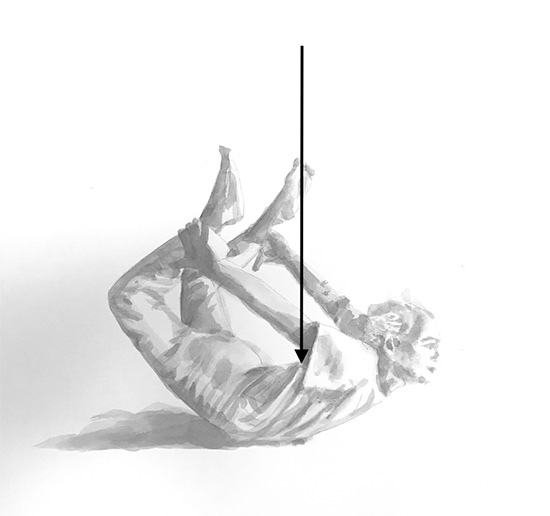
The bow, Dhanurasana, is an exercise that very impressively reflects the grasp of the will while simultaneously relaxing the periphery. Phases of calm and highly concentrated attention alternate with approaches in which the body is dynamically taken hold of into the movement.
Inherently, the exercises in which content has been guided into a form are aesthetic. The body appears beautiful and is as if carried by energy. Kundalini forces do not come from matter; they form themselves through thoughts into the depths of the body and ultimately express themselves through the joyful and flowing will. The fire of the spirit eventually lives and breathes through the human central nervous system. This is not any old energy that happens to awaken, it is the highly organised etheric forces that take hold of the body from above to below and finally express themselves again from within through the physical.
The bow is an exercise that, in this sense, can prepare a growing centring in the different parts of the spine.
See also the YouTube video on how to carry out the bow:

Anmerkungen
| ⇑1 | This statement is not the result of medical research, but esoteric research, although scientific studies also seem to support this. In 2022 a study of 80 yoga practitioners was published in ‘Frontiers in Psychology’, which reported, amongst other things, pronounced sensations of warmth. Another study, also published in the Indian ‘Journal of Psychological Medicine’ in 2022, relates emerging psychological problems. However, the difficulty with all investigations is to be able to clearly determine a Kundalini awakening. |
|---|---|
| ⇑2 | Swami Shivananda, Kundalini Yoga, chapter, Yogi Sadhana – How to Awaken the Kundalini. In addition to physical yoga techniques, Shivananda also mentions concentration, devotion and self-devotion as ways to awaken the Kundalini. An online version of the book can be found here. |